AI Call Setups for Small Businesses: Everything You Need to Know
Can small businesses use AI to manage calls professionally without hiring a large support team?
Absolutely. AI Call Setups enable small businesses to automate inbound and outbound phone interactions, answer customer queries around the clock, route calls intelligently, capture lead information, and reduce manual workload. Modern AI-powered calling systems are affordable, easy to deploy, and designed to improve customer experiences while helping businesses scale efficiently.
Whether you're handling customer support, appointment bookings, lead qualification, or follow-ups, an AI-driven call system allows your business to stay responsive without increasing operational costs.
Why Small Businesses Are Adopting AI Calling Solutions
Customer expectations have changed. People expect quick responses regardless of business hours, while small businesses often operate with limited staff and resources.
An AI-powered calling solution bridges this gap by ensuring every customer receives prompt attention. Instead of missing calls during busy hours or after closing time, businesses can automate routine conversations while allowing human agents to focus on higher-value interactions.
Some of the biggest advantages include:
- 24/7 call availability
- Faster customer response times
- Reduced operational costs
- Consistent customer experiences
- Better lead capture and qualification
- Increased productivity for small teams
These benefits make AI-powered communication accessible even for businesses with modest budgets.
How AI Call Systems Actually Work
An AI calling platform combines speech recognition, natural language processing, and intelligent automation to understand conversations and respond naturally.
A typical workflow looks like this:
- A customer places a call.
- The AI answers immediately.
- It understands the customer's request.
- The system provides information or asks relevant questions.
- If necessary, the call is transferred to a human representative.
- Conversation data is automatically recorded for future reference.
The result is a smooth customer journey with minimal waiting time.
Essential Features to Look For
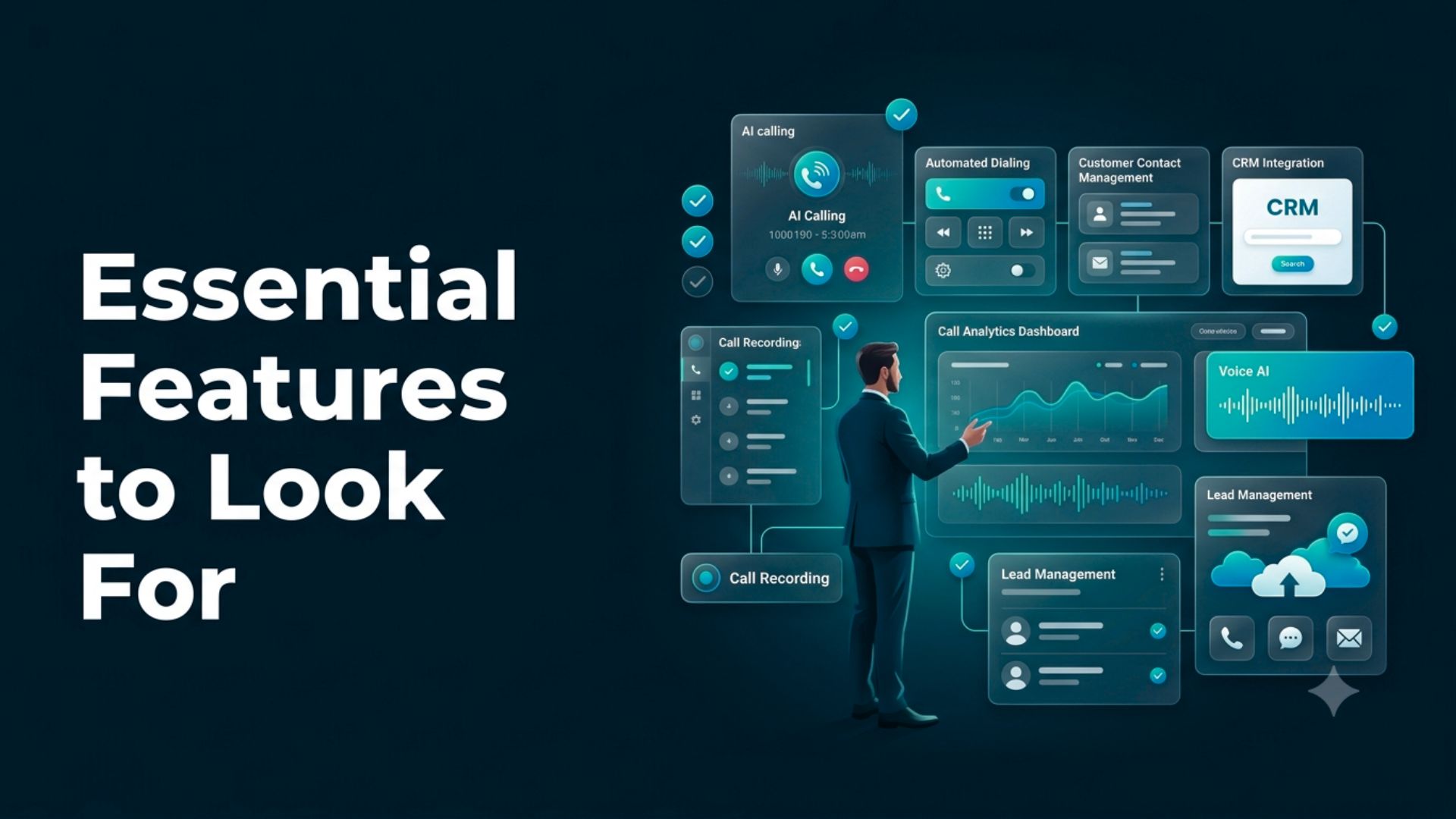
Not every AI calling platform offers the same capabilities. Before choosing a solution, evaluate whether it includes features that support your business goals.
Intelligent Call Routing - Calls should automatically reach the right department or employee based on customer intent, reducing unnecessary transfers.
Natural Voice Conversations - Modern AI should sound conversational rather than robotic, creating a more comfortable customer experience.
CRM Integration - Connecting customer conversations with your CRM ensures that valuable information remains organized and accessible.
Analytics and Reporting - Detailed reports help measure call performance, customer satisfaction, and agent productivity.
Easy Customization - Every business has unique workflows, so the platform should allow businesses to personalize greetings, responses, and call flows.
Around this stage of implementation, businesses often refine their AI Calling Scripts to ensure conversations sound natural while accurately reflecting their products, services, and customer support processes.
Common Business Use Cases
AI calling solutions support a wide range of industries.
Customer Support - AI instantly answers common questions about products, pricing, business hours, and services.
Appointment Scheduling - Healthcare providers, salons, consultants, and service businesses can automate bookings and reminders.
Lead Qualification - AI asks qualifying questions before forwarding promising prospects to the sales team.
Order Updates - Retail businesses can automatically notify customers about shipping, delivery, and order status.
Feedback Collection - Businesses can gather customer opinions immediately after completed interactions.
How to Successfully Implement an AI Calling System
Introducing AI into business communications doesn't require a complicated process. Following a structured implementation plan improves adoption and customer satisfaction.
Step 1: Identify Your Goals
Determine whether your primary objective is reducing missed calls, improving support, increasing conversions, or saving employee time.
Step 2: Map Customer Journeys
Understand the most common reasons customers contact your business and build automated workflows accordingly.
Step 3: Integrate Existing Systems
Connect the AI platform with CRM software, calendars, and business tools for seamless information sharing.
Step 4: Test Real Conversations
Evaluate responses using real customer scenarios and refine workflows where necessary.
Step 5: Monitor Performance
Track important metrics such as response time, successful resolutions, customer satisfaction, and conversion rates.
Businesses looking to improve outbound communication can also automate routine sales calls while allowing human representatives to handle negotiations and relationship building, creating a balanced approach between efficiency and personalization.
Choosing the Right Platform
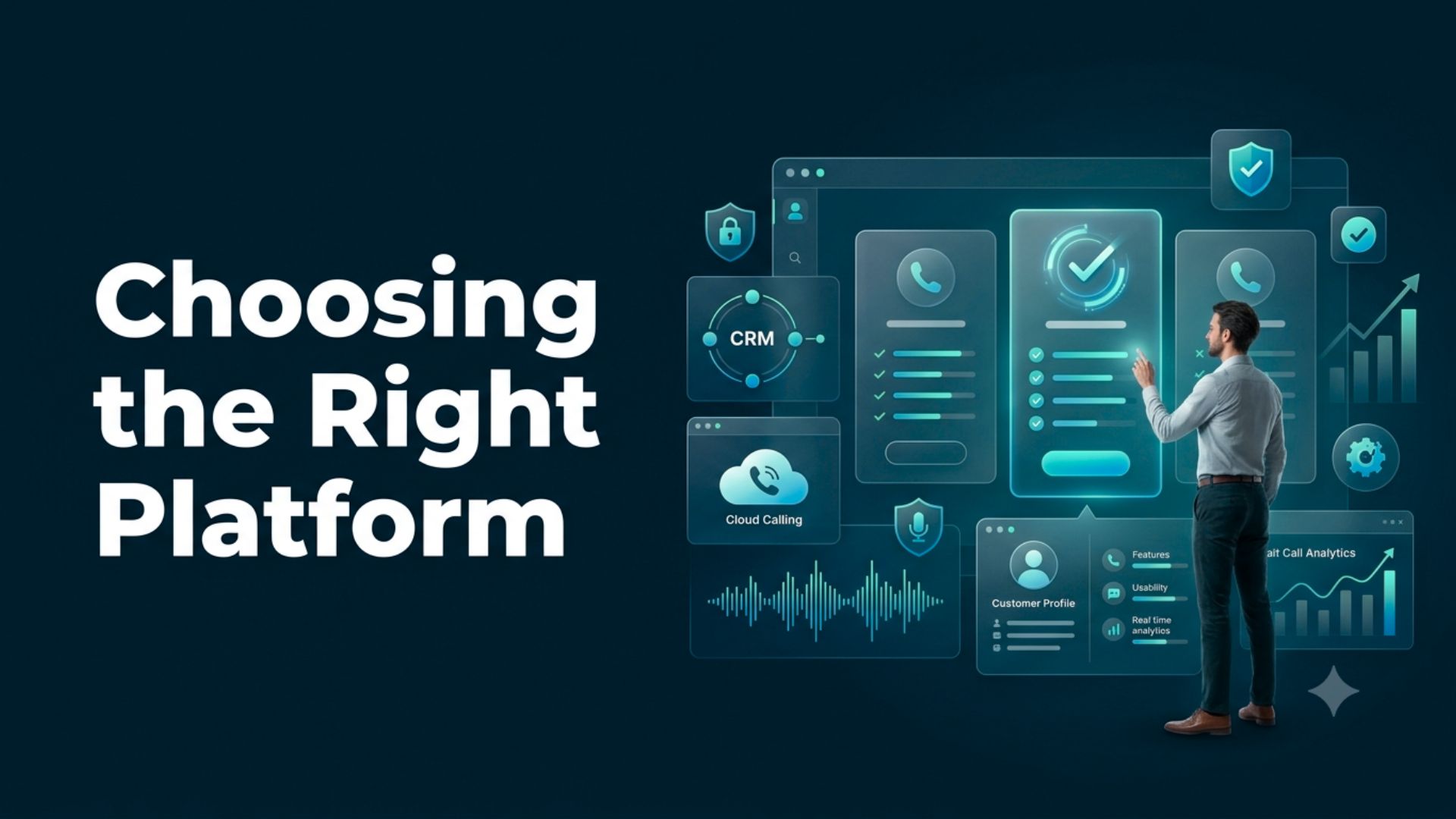
Selecting the right provider goes beyond comparing pricing. Consider factors such as scalability, ease of deployment, security, customer support, and integration capabilities.
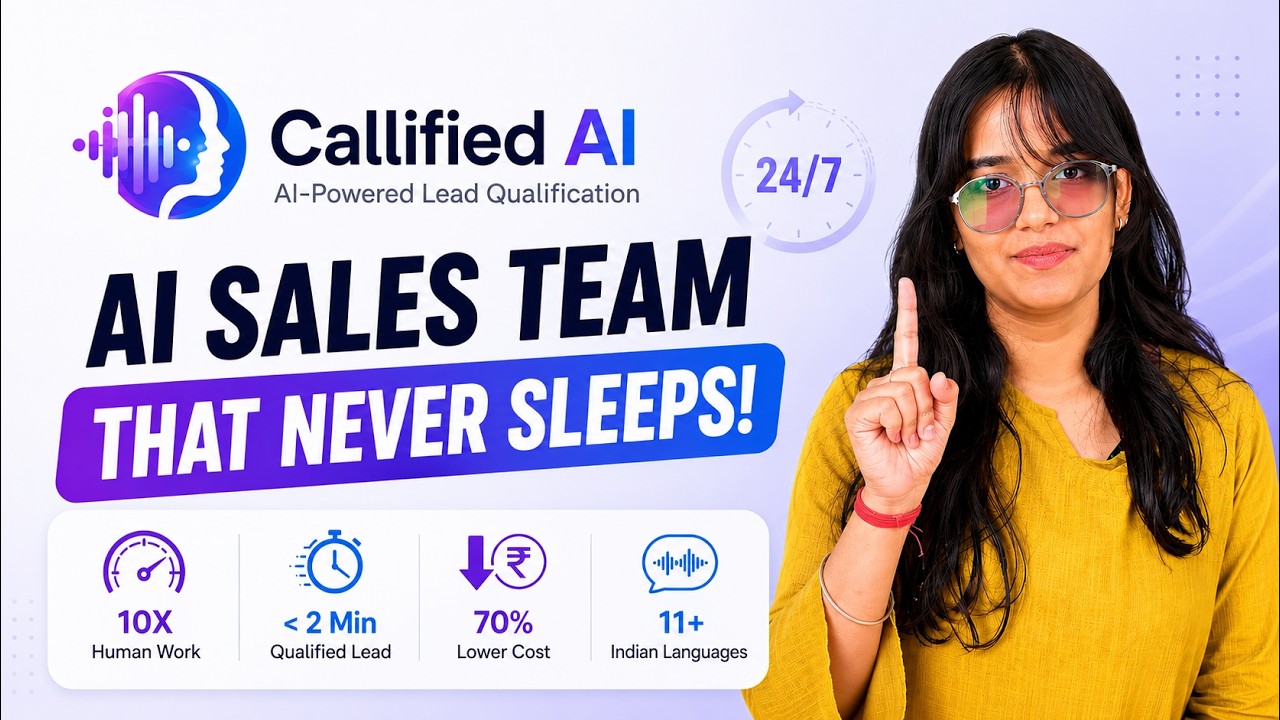
Solutions like Callified AI offer businesses intelligent voice automation designed to streamline customer communication while supporting growth through efficient AI-powered calling experiences.
Before making a decision, request demonstrations, compare available features, and verify whether the platform can grow alongside your business.
Best Practices for Long-Term Success
To maximize results:
- Keep conversation flows simple and natural.
- Regularly update responses based on customer feedback.
- Monitor analytics to identify improvement opportunities.
- Allow customers to reach a human agent whenever needed.
- Review call recordings to improve automation quality.
- Continuously optimize workflows as business needs evolve.
Successful implementation is an ongoing process rather than a one-time setup.
Also watch this video - Meet Callified AI | Your AI Sales Team That Never Sleeps
Conclusion
For today's small businesses, adopting AI Call Setups is no longer just a competitive advantage; it's becoming an essential strategy for delivering faster customer service, improving operational efficiency, and supporting sustainable growth. With thoughtful planning, the right technology, and continuous optimization, businesses can create professional phone experiences that build stronger customer relationships while saving valuable time and resources.
Frequently Asked Questions
Q1. What is an AI call setup?
An AI call setup is a phone system that uses artificial intelligence to answer calls, understand customer requests, automate conversations, and route callers appropriately.
Q2. Is AI calling suitable for small businesses?
Yes. Many AI calling platforms are designed specifically for small businesses, offering affordable pricing, easy implementation, and scalable features.
Q3. Can AI transfer calls to human agents?
Yes. Most modern systems seamlessly transfer conversations to human representatives whenever complex issues require personal assistance.
Q4. Does an AI calling system work after business hours?
Yes. AI-powered systems can answer calls 24/7, ensuring customers receive immediate assistance even when employees are unavailable.
Q5. How long does implementation usually take?
Depending on business requirements and integrations, many AI calling solutions can be configured and launched within a few days to a few weeks.
