Top Benefits of Using an AI Dialer for Customer Outreach
Are your sales representatives spending too much time dialing numbers, waiting through unanswered calls, and manually updating customer records? Could automation help teams connect with more prospects while still keeping conversations relevant and personal?
An AI Dialer helps businesses automate repetitive calling tasks, prioritize prospects, and make outreach more efficient. Instead of relying entirely on manual dialing, teams can use intelligent calling technology to streamline contact attempts, reduce idle time, and support better customer engagement.
The biggest benefits include:
- Faster and more organized outbound calling
- Reduced manual work for sales representatives
- Better lead prioritization
- More consistent customer follow-ups
- Improved productivity and agent utilization
- Smarter call data and performance insights
- Easier integration with customer management systems
For modern sales and service teams, intelligent dialing is becoming a practical way to increase outreach capacity without sacrificing the quality of customer interactions.
How Does Intelligent Dialing Improve Customer Outreach?
Traditional outreach often involves several repetitive steps: finding a contact, dialing manually, waiting for an answer, recording the outcome, and deciding what to do next. When these tasks are repeated hundreds of times, valuable employee time can disappear into administrative work.
Automated dialing reduces these inefficiencies by helping teams focus more on actual conversations.
1. Increase Calling Productivity
One of the most immediate advantages is increased productivity. Automated systems can handle dialing workflows while representatives concentrate on prospects who are ready to engage.
This allows teams to:
- Spend less time entering numbers manually
- Reduce waiting periods between calls
- Handle larger outreach lists
- Maintain structured calling schedules
- Focus employee time on meaningful conversations
The result is a more efficient workflow where human representatives spend more of their working hours communicating rather than performing repetitive administrative tasks.
Why Is Personalization Important in Automated Outreach?
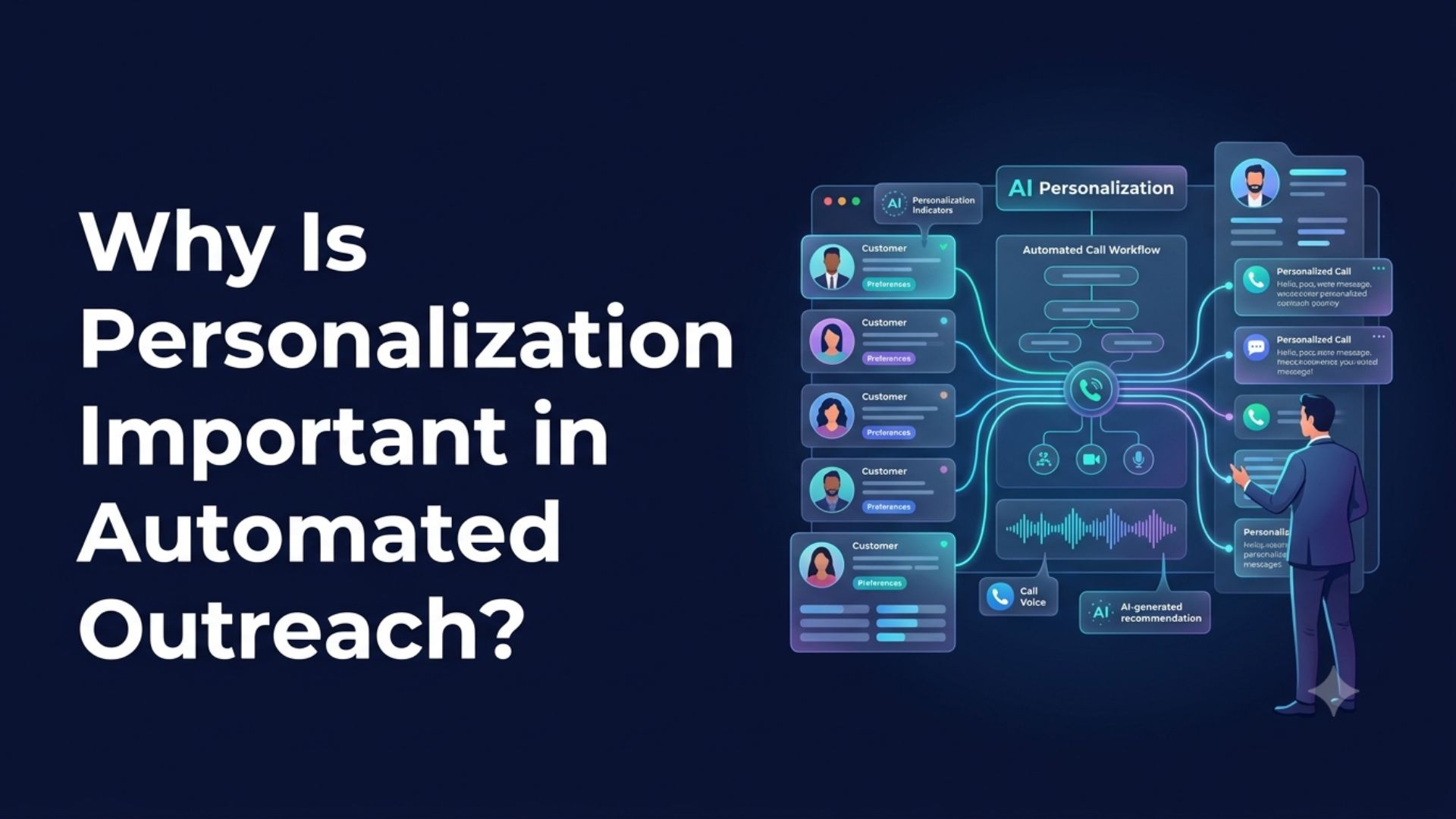
Automation does not have to mean impersonal communication. Modern calling platforms can use customer information, previous interactions, lead status, and other available data to help representatives approach conversations with greater context.
For example, businesses can organize AI dialer campaigns around different customer segments, sales stages, locations, or follow-up requirements. A team contacting new prospects can therefore use a different workflow from a team following up with existing customers.
This segmentation can improve relevance while keeping outreach organized. Instead of treating every contact identically, businesses can create structured communication processes based on customer needs and business objectives.
2. Improve Lead Follow-Up and Response Opportunities
A strong outreach strategy depends heavily on timing. A promising prospect can lose interest if follow-up takes too long, while a customer may become frustrated when communication is inconsistent.Automated workflows can help teams maintain more reliable follow-up schedules.Benefits include:
- Fewer missed follow-up opportunities
- Better organization of prospect lists
- More consistent contact attempts
- Easier management of high-volume outreach
- Faster responses to new leads
Consistency is especially valuable for businesses with large databases where manually tracking every contact can become difficult.
How Can Calling Automation Work With Customer Data?
Customer information becomes much more useful when calling workflows and business data work together. Integrating calling technology with an ai crm can help representatives access relevant customer details without repeatedly switching between different platforms.
A connected workflow can make it easier to review previous conversations, understand lead status, record outcomes, and maintain updated customer information.
This creates a more complete view of every interaction and reduces the risk of fragmented customer records.
3. Reduce Operational Costs
Hiring additional employees is not always the best way to increase outreach capacity. Improving the productivity of an existing team can provide another growth path.
Automated dialing can reduce the amount of time spent on repetitive activities. Teams may therefore handle larger contact volumes without increasing administrative workload at the same rate.
Cost benefits can come from:
- Lower manual dialing requirements
- Better utilization of representative time
- Reduced administrative effort
- More efficient lead management
- Improved scalability during high-volume campaigns
The goal is not simply to make more calls. It is to make the entire outreach process more efficient.
4. Deliver Better Call Insights
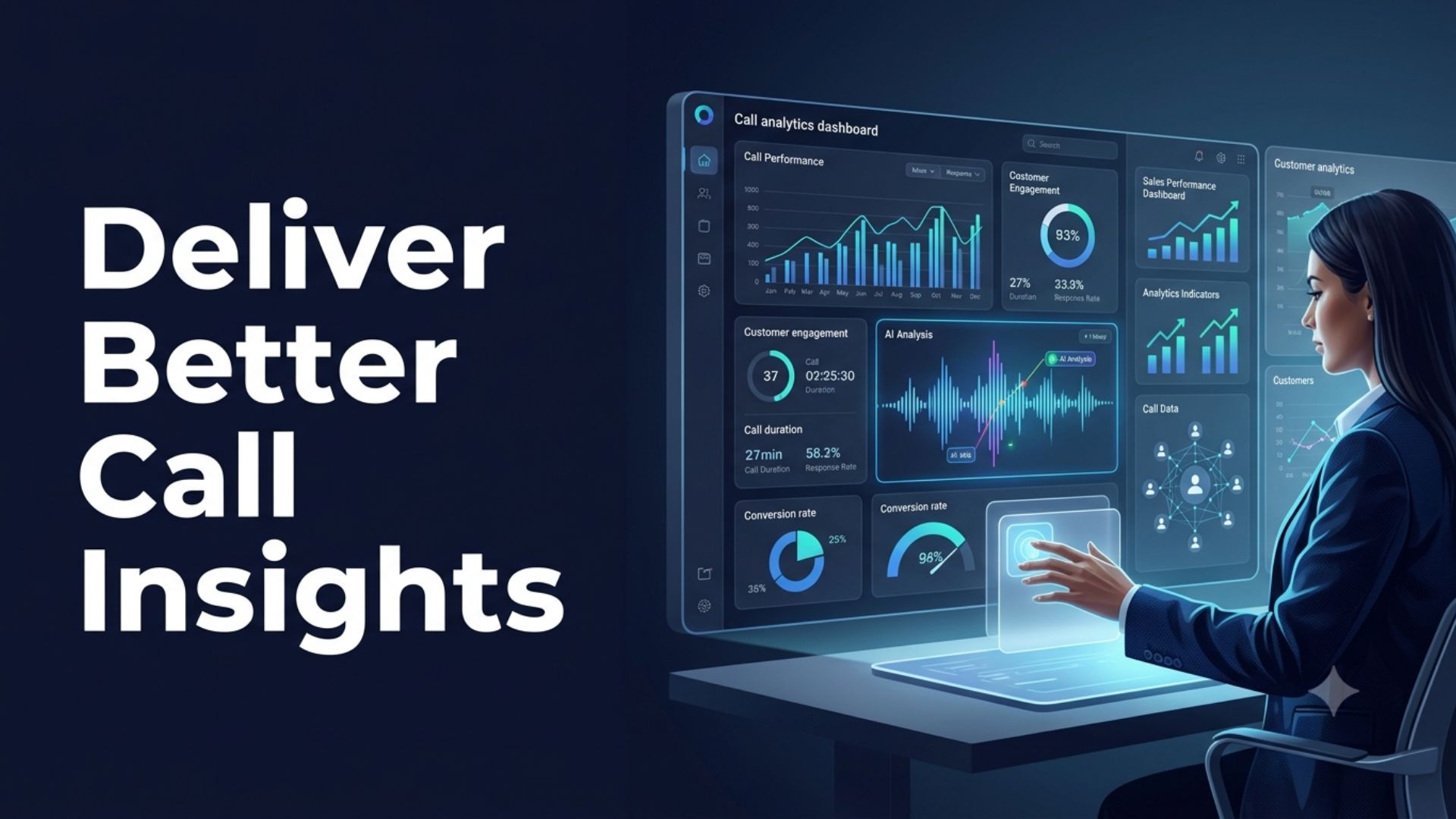
Data can reveal which outreach strategies are working and where teams are losing opportunities. Intelligent calling platforms can organize information around call outcomes, response patterns, contact rates, and representative performance.
Managers can use these insights to identify:
- Which prospects respond most frequently
- Which outreach periods generate better engagement
- Where follow-ups are being missed
- Which representatives may need additional support
- Which campaigns are producing stronger results
These insights help transform calling from a routine activity into a measurable business process.
Can Automated Calling Improve Customer Experience?
Yes, when implemented correctly. Customers generally value timely, relevant, and convenient communication. Automation can support these expectations by helping businesses respond consistently and route conversations more efficiently.
However, technology should support human communication rather than replace thoughtful customer engagement in every situation. Complex questions, sensitive conversations, and high-value interactions may still require skilled representatives.
The strongest approach combines automation for repetitive processes with human judgment for conversations that require empathy, creativity, or deeper problem-solving.
5. Scale Outreach Without Creating Chaos
Growing businesses often face a simple challenge: more prospects mean more calls, but more calls can also create more operational complexity.
An intelligent calling workflow can provide structure as contact volumes increase. Teams can organize prospects, manage calling priorities, monitor results, and adjust outreach processes without relying entirely on spreadsheets or manual tracking.
For businesses expanding into new markets, this scalability can be particularly valuable. Instead of rebuilding the entire process whenever the contact database grows, teams can adapt existing workflows to accommodate higher volumes.
Why Choose a Smarter Calling Platform?
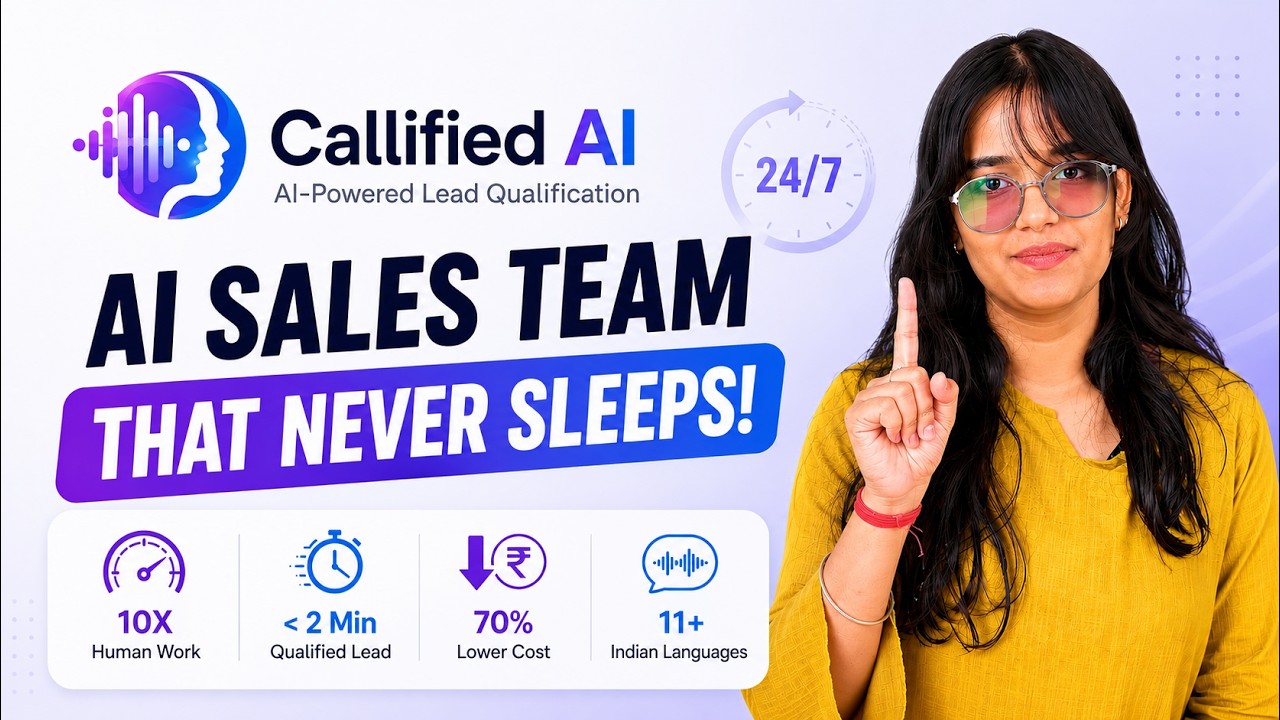
The value of intelligent outreach ultimately comes from combining automation, customer data, analytics, and human interaction in one practical workflow. For businesses looking to modernize sales communication, platforms such as Callified AI can support structured calling and customer engagement processes.The technology becomes especially useful when organizations define clear objectives, segment their audiences, monitor performance, and continuously improve their outreach strategy.
Also watch this video - Meet Callified AI | Your AI Sales Team That Never Sleeps
Conclusion
For businesses focused on increasing customer outreach, an AI Dialer can provide meaningful advantages across productivity, follow-up consistency, scalability, data visibility, and operational efficiency. The technology can reduce repetitive work while giving sales and service teams more opportunities to focus on valuable customer conversations.
The greatest results come from using automation strategically rather than simply increasing call volume. When intelligent workflows, relevant customer data, and human interaction work together, businesses can create a faster, more organized, and more responsive outreach experience.
FAQs
Q1. What is an AI-powered dialer?
It is a call-routing technology that automates parts of the outbound calling process, helping teams manage contacts and reduce repetitive dialing.
Q2. Can automated dialing improve sales productivity?
Yes. It can reduce manual work and waiting time, allowing representatives to spend more time on actual customer conversations.
Q3. Is automated calling suitable for small businesses?
Yes. Smaller teams can use automation to manage outreach efficiently without requiring a large calling operation.
Q4. Does automation replace sales representatives?
Not necessarily. Its primary value is handling repetitive processes so representatives can focus on conversations requiring human judgment and relationship-building.
Q5. What should businesses measure after implementation?
Important metrics include contact rates, response rates, follow-up completion, conversion performance, representative productivity, and overall campaign efficiency.
